
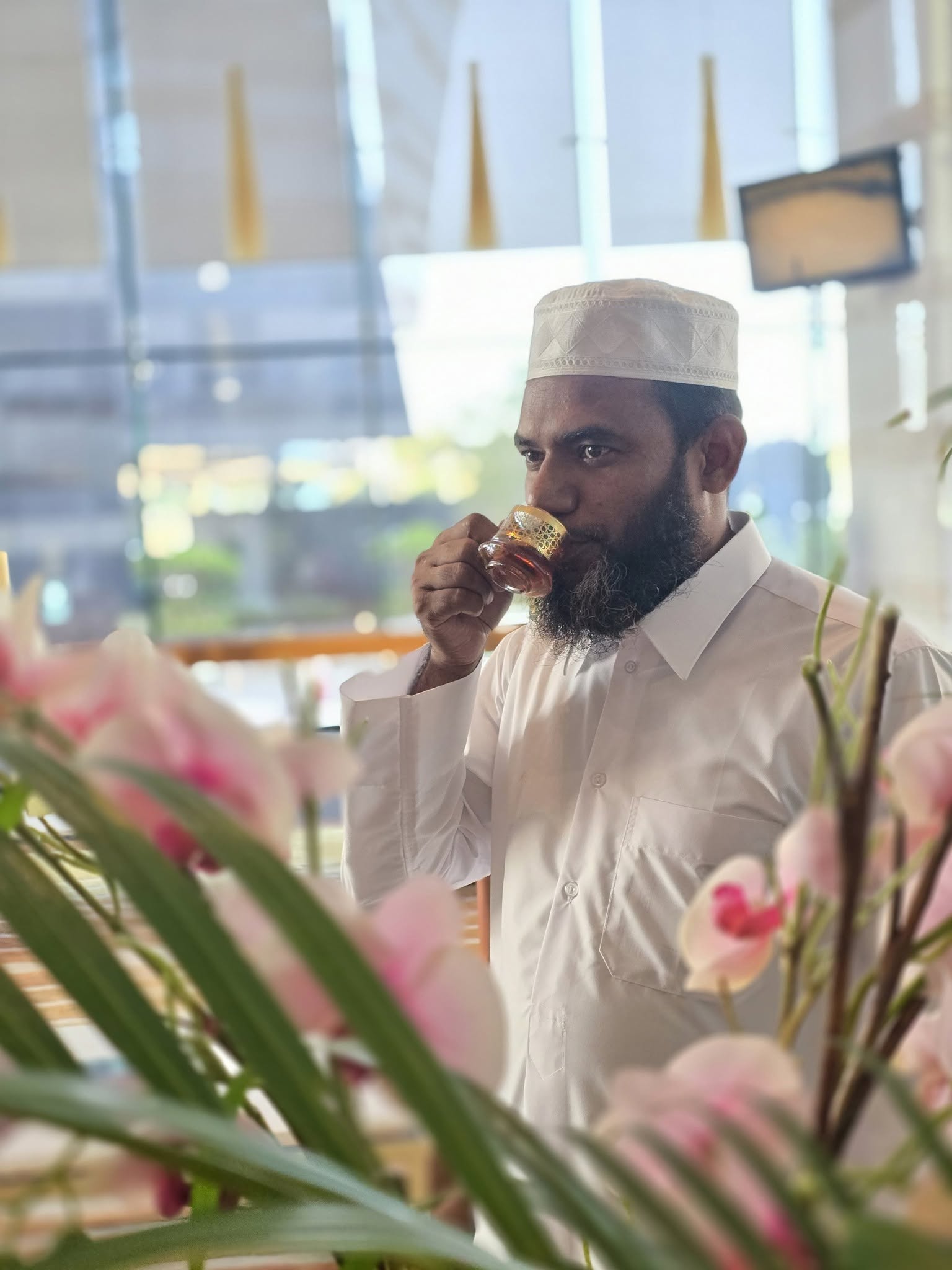
A dream that became a beginning.
What kind of institution could truly prepare young people for life?
For years, there was a dream of building a world-class educational institution in Brahmanbaria.
The idea was never simply to create another educational institution. The deeper aspiration was to create an environment where knowledge, values, intellectual growth, practical skills and responsible leadership could exist together.
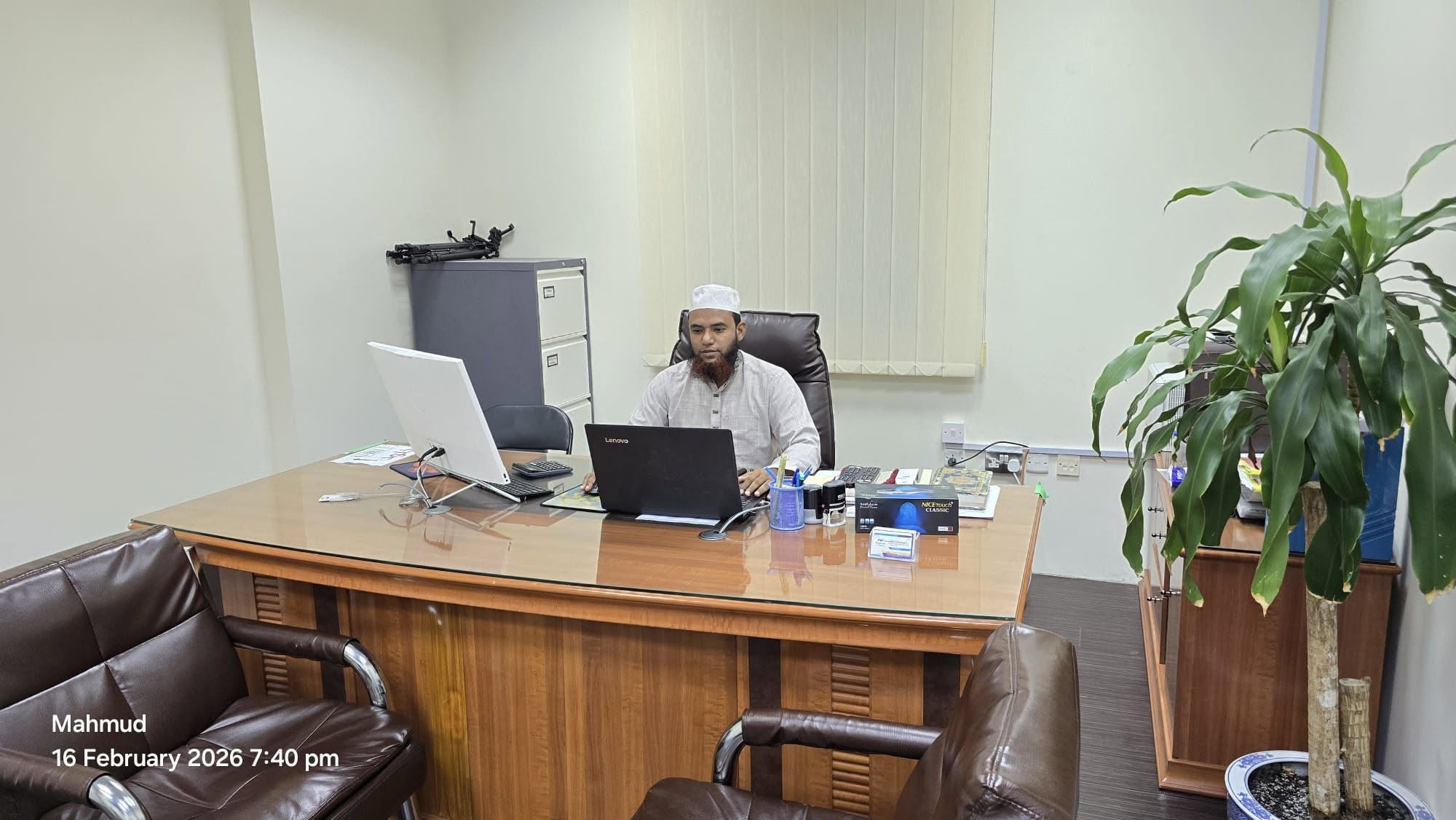
Five brothers began to turn a dream into a serious commitment.
In early 2018, the five brothers began working toward a shared vision for an educational institution in Brahmanbaria.
What followed was not an immediate public launch. It became a period of learning, personal development and preparation for the responsibilities of building and managing an institution.
Years of preparation happened quietly.
Learning to build and manage
The founders continued developing themselves while learning the practical skills and responsibilities needed for institution building.
Looking beyond one system
They travelled across Bangladesh and abroad, visiting institutions and observing different educational approaches.
Bringing experiences together
A major focus became the idea of integrating the strengths of Qawmi and general education within a modern curriculum.
Not everyone believed it could be done.
When the idea of IIT was eventually announced, some people laughed. Some considered the idea unrealistic. Others questioned whether such an institution could really be built.
There were also people close to the family who encouraged them and promised their cooperation. At the same time, others wanted to know about the family’s background and educational experience.
2022
The dream entered institutional reality.
On January 1, 2022, Institute of Innovative Thought began its journey.
After years of thinking, preparation and development, the vision now had an institutional identity through which it could begin to grow.
The idea of integration was lived at home.
Their father, Lecturer Abdul Mannan Chowdhury, completed his Master’s degree in Bengali Literature from Jagannath University, Dhaka, and ended his professional career as a lecturer in the Bengali department.
He educated his five sons across Qawmi, Alia and General education. As a result, the brothers experienced different educational traditions themselves rather than viewing them only from a distance.
That experience helped shape the belief that the strengths of different educational streams could be brought together in a thoughtfully designed curriculum.
Different educational paths. One shared vision.
Each brother brought a different educational background and area of learning. Together, those experiences contributed to the vision that eventually became IIT.
Kamil — Araibari Islamia Saidia Kamil Madrasa
Diploma in Computer — SSIT
BA (Honours), MA in English Literature
Dhaka College — University of Dhaka
Ifta — Jamia Shariah, Malibagh
Hifz — Ummul Qura Madrasa, Dhaka
Kamil A+ — Dhaka Alia
CSAA — AAOIFI
Uloomul Hadith — Darul Fikri wal Irshad, Dhaka
Takmil Hadith — Jamiatul Uloomil Islamia, Dhaka
Dawah — Jamiatul Uloomil Islamia, Dhaka
Uloomul Hadith — Markazud Dawah, Dhaka
What they experienced became what they imagined.
The family experience, years of preparation and exposure to different educational environments helped shape a broader understanding of what education could become.
Together, the founders envisioned an institution that would move beyond conventional education toward innovative thinking, intellectual growth, research, leadership, character and practical skills.
The dream is no longer only a dream. It is a journey.
Since beginning its journey on January 1, 2022, Institute of Innovative Thought has continued to develop its work around education, research, innovation, leadership and meaningful institutional development.
The original purpose remains at the heart of the story: to develop people whose knowledge, values and abilities can create meaningful contribution and lasting impact.
From a vision in 2018 to a living journey in 2022 and beyond.
IIT’s story is still being written — through its people, institutions, ideas, learning and service.